
Issue 102 / 3 April 2026
The essential DIY electronic music lowdown: Track Of The Week: Pye Corner Audio Ft. Andy Bell + Album Of The Week: Jilk + Book Of The Week: Stephen Prince's 'Ghost Signals' + more...


Everyone in the DIY ecosystem seems to be struggling at the moment. Whether that’s selling records, books, gig tickets, any kind of subscription or just getting folk to look in your direction. There’s no shortage of high-quality work, so what’s the issue?
The thing that struck me this week is we’re all trying to do what we do on our own. What we need is a fresh way of bringing a bunch of us together – artists, labels, venues, publishers, whoever – under one umbrella to help spread the word about our DIY electronic music world. How do you do that? Stay tuned.
Talking of getting heard, Table Turners is a pop-up record shop in Forest Hill in south-east London highlighting independent DIY artists. There’s a bunch of acoustic sets in-store today and tomorrow (3-4 April). We need to support ventures like this, right? Details here…
Righto, down to business. We’ve got not one but two guest writers this week. Ben Willmott tunes his ears in for our Album Of The Week review, while Cathi Unsworth casts her eye over the latest book from Stephen Prince’s A Year In The Country imprint.
Finally, don’t forget that as a paid subscriber you’ll get a showstopping 40-minute ‘Live From Moonbuilding HQ’ session by Field Lines Cartographer as part of the deal. This session will only be available until the end of April. There will be a new session in May and each month onwards. What’s more, we’re working on further tempting audio delights too. The admission price? £3.50. What a snip.
Right, have a great weekend and happy Easter to those who celebrate such things.
Neil Mason, editor
moonbuildingmag@gmail.com
Issue 102 Playlist: Listen
Your ad here: Advertise


***ADVERTISE HERE***
email moonbuildingmag@gmail.com
PYE CORNER AUDIO FT. ANDY BELL ‘Cycle’ (Sonic Cathedral)
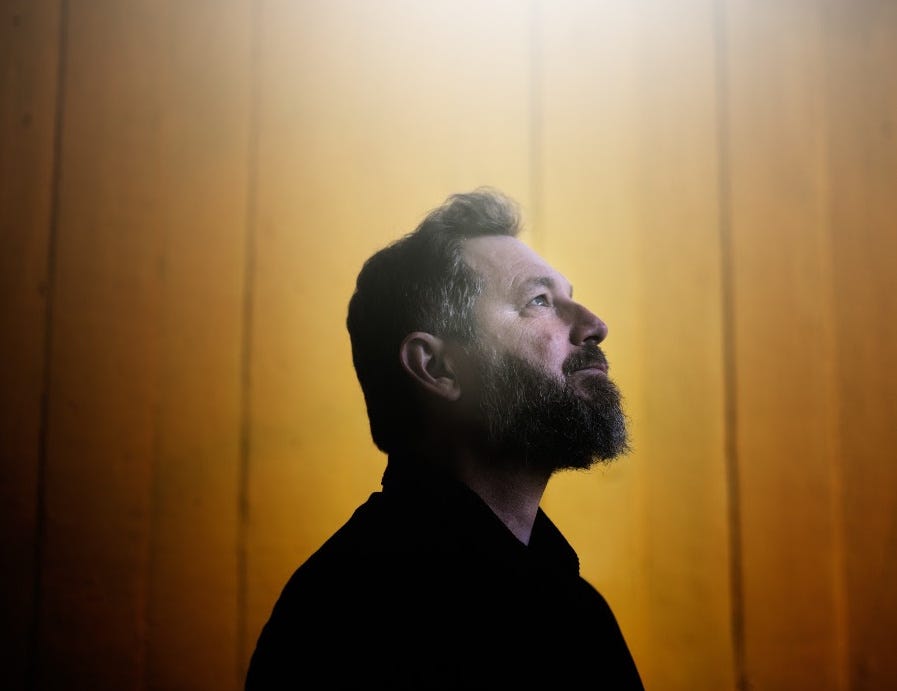
Photo: Brian David Stevens
Video: Studio Sparks
It’s always a bit of a moment when there’s a new Pye Corner Audio outing. And rightly so. Martin Jenkins is a proper trailblazer, one of the very first acts that pinged on my DIY radar with his ‘Sleep Games’ LP on Ghostbox. A rewind through his earlier ‘Black Mills Tapes’ volumes followed and I’ve been hooked ever since.
There’s a new album on the horizon. June to be precise and it’s something special. Don’t want to be making Album Of The Year noises about a record that isn’t even out yet, but you know. ‘More Songs About The Sun’ is a proper blast of summer. It feels hazy and shimmery, like the heat of high summer sun. You can almost taste the good vibrations. “I wanted the whole record to be awash with distortion and saturation,” explains Martin, “but not in a blown-out guitar amp kind of way. Almost every element has been subject to some form of saturation.”
And talking of guitars, the record features Ride’s Andy Bell on four tracks, Martin singing on several and novelist Ian Rankin on one. The first fruit, ‘Cycle’ is a very decent taster of things to come, featuring both Andy Bell and Martin singing. That synthline that rips in almost immediately is such a showstopper, while the juddery guitar is almighty. And then there’s Martin’s singing. “‘Cycle’ is probably the most direct ‘pop’ song that I’ve written,” he offers. It is. It really is. And wait until you see the Bandcamp-only “sunspots” vinyl variant. Phew, what a scorcher.
‘More Songs About The Sun’ will be released on 19 June by Sonic Cathedral
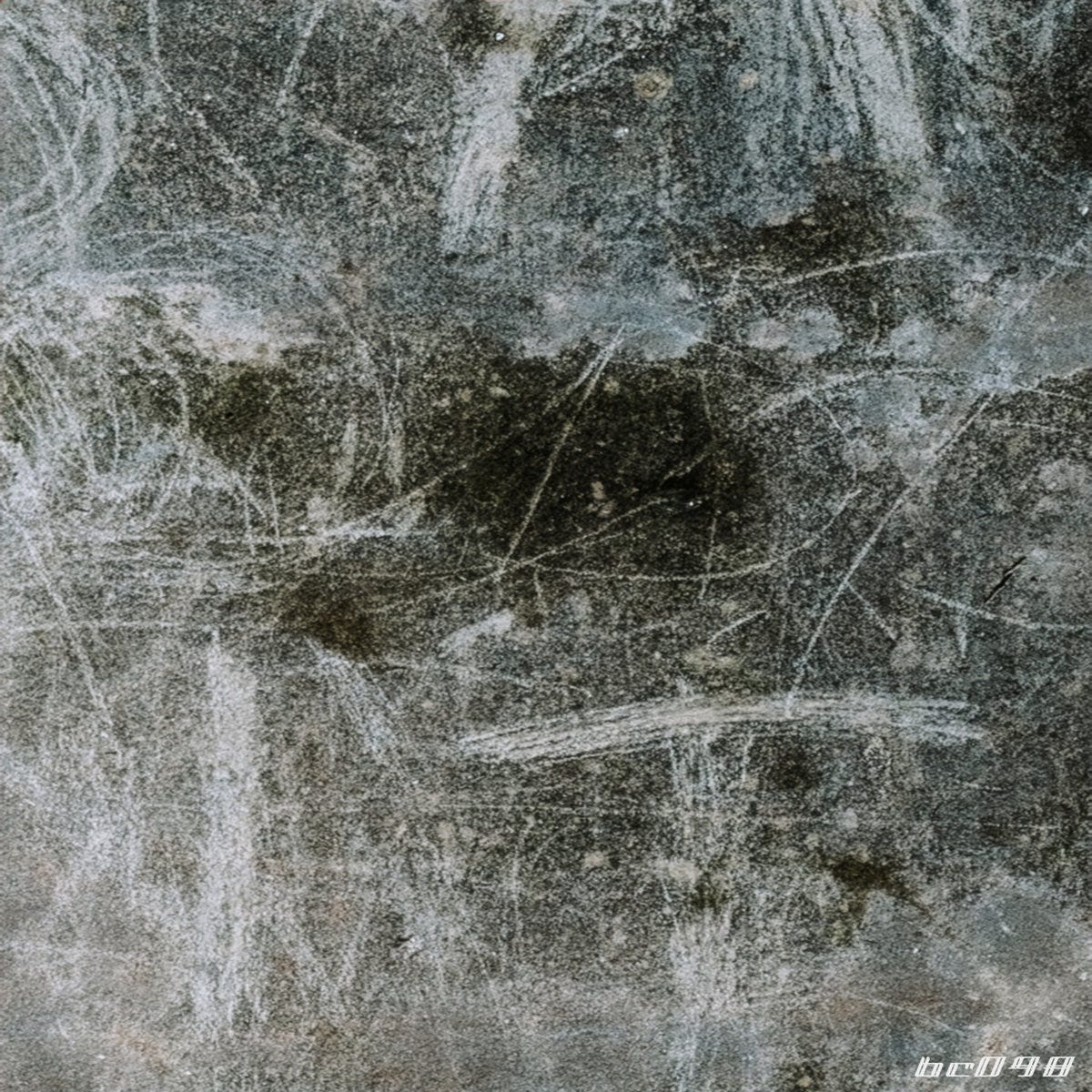
JILK ‘Tetsuo II’ (Bricolage)
Words: BEN WILLMOTT
Here’s a little tip for you that works wonders for this reviewer anyway. If you feel the ongoing crap of everyday life and the imminent apocalypse of World War 3 is starting to chip away at your mood, I can thoroughly recommend taking a minute out of your schedule to rewatch the footage of crowds in Bristol pulling down Edward Colston’s statue in 2020, dragging it through the streets and unceremoniously dumping it into the harbour. In the space of around a minute, you’ll find yourself instantly lifted.
While that might be the most famous example of a reason to love what the city has going on right now, it’s one of many. Bristol’s proudly diverse and defiantly independent stance is reflected in its cultural life. From its street art to its club scene, and festivals like the unmissable multi-venue extravaganza Simple Things, it’s a place that is surely vibrant and clued in enough to rival that of any UK metropolis.
The array of different music it’s responsible for too is enviably huge and wide. The days – well, let’s face it, it was the 90s – when the city’s output could be reduced to a trademark “Bristol sound” have long flown. Today, from mighty dubstep and bass stables like Pinch’s Tectonic and Peverelist’s Livity Sound to techno and electronica labels like Innate and No Corner, it does everything everyone else does, only quite often better than most and always with a stamp all of its own.
So when we describe Jilk as a Bristol collective, please dispense with any knee-jerk reaction you might have bringing Massive Attack or Portishead to mind. They’re not exactly anonymous – they play live (only last weekend alongside Haiku Salut) and we know the names of 10 or so people involved. The only press photo we could locate sees them all present and correct, just with their faces obscured by animal masks, so we can safely assume they’re more about letting the music itself do the talking than pushing their profile.
That said, there are names that crop up again and again. Jonathan Worsley (guitars, pianos, synths, percussion, melodica, electronics and, phew, lyrics) seems to be if not a leader, a centrifugal force around which the others can coalesce. Kayla Painter, well known in her own right as a visual and music artist with several well received albums on labels such as Castles In Space as well as self-released, is also a regular contributor and Cags Diep’s sublime work on strings often seems to be a key component.
Those who’ve been paying attention to Moonbuilding will already know that the collective is responsible for two of 2025’s most essential listens.
The last Jilk album proper, ‘Fix Your Hearts’, arrived last November and proved an ingenious combination of sultry French pop lament and super-deft, but understated programming wizardry. About a year ago, Worsley and Painter combined forces for ‘Sarno Ultra’, released on the excellent Glasgow-based Bricolage label, which pushed the electronic envelope further, chopping and dicing the human voice and chucking it into a blender that mashed up high-frequency tweakery, rumbling sub-bass and disorientating, bewitching melody.
You can forgive us then, for being more than a little bit excited about the arrival of ‘Tetsuo II’, the latest Jilk album, which also lands via Bricolage. There is no first volume that we’re aware of, lending the album the air of a soundtrack to an imaginary film, or even more likely an immersive computer game. What it actually is, explains Worsley, is “an alternative soundtrack to the 1992 surreal, cyberpunk, fever-dream film ‘Tetsuo II: Body Hammer’ and an ode to my experience of watching it much too young".
Opener ‘VHS Wears Thin’ sets out with the breath-like motions of a harmonium, but soon diving headlong into squashed, skittery and mangled drum ’n’ bass breaks and vicious bass, eventually – as it threatens to break down altogether – held together by a more organic counterpart via piano and strings. It’s a discordant and unsettling at first, but something beautiful emerges from the glitchy chaos. The scene is most certainly set.
‘Flesh-Tech’ takes that baton and runs, as soft and harmonious keys and harsh, malfunctioning electronics scraping up alongside each other, creating a palpable sense of edgy conflict. ‘Minori’s Hands’ begins in much more reflective, almost mournful mode, long, drawn out chords and Diep’s strings floating elegantly across the high register of the mix. After the white knuckle ride of the first two tracks, it sounds superbly serene, even as a haze of electronics fizzes away quietly beneath its surface.
‘Half-Human’ begins with a carefully picked protracted piano chords, a dislocated d’n’b break picking up the pace. It’s another supremely sad, mournful moment, an arpeggio beginning to spiral right up into the ether and those high end frequencies – electronic music’s least explored sonic territory – get quietly frazzled and hazily distorted.
‘Half-Tank’ is the appropriate half way point, with Worsley’s piano and tinkling keyboards and the string work of Diep swaying together in instinctive, melancholic harmony. It’s probably the calmest and most straightforwardly moment here, but it still has a subtle nervousness that fucks with you and prevents you from getting too comfortable.
‘Kana And The Pocket Operator’ also showcases Worsley’s doubtless knack for throwing a few chords together that will swerve unexpectedly and take your breath away, a single plucked guitar and splintered breaks urging its second half on. Before the meditational closing shudders of final track, ‘End Of Tape’, we get ‘Minori Is Alive At The End’. This is the album’s molten meltdown moment, the drum programming taking on the processed complexity of Aphex or Squarepusher at their most vicious, little hints acid bursting around its lining.
But despite its essentially caustic shell, the rhythmic blizzard can’t crush the melody contained within, a fine metaphor for the album as a whole. It’s definitely a soundtrack for troubling, messed-up times, but hope and positivity always seems to be prevail, even when the tussle gets downright messy.
It rather brings to mind the picture on those Golden Syrup tins depicting of the biblical riddle about the lion that’s killed, only for lush honey to emerge from its slit belly. From the beats, you could almost say, came sweetness. Well worth tasting in this case.
Ben Willmott is the editor of Juno Daily
Got something you need to tell us about? email moonbuildingmag@gmail.com
Words: Neil Mason


GOOD STUFF #1
BEAM WEAPONS ‘Potlatch’ (Miracle Pond) / KNISTERN ‘Empfang’ (Miracle Pond)
Well, well. This is a turn up and very welcome one at that. An email entitled “Miracle Pond - The Return” dropped into my inbox last week. I can’t tell you how fast I opened that. If you’ve been following all this over the years, you will know about Miracle Pond. It’s a brilliant little label and is the very fine work of Paul Bareham and Nick Taylor, Paul you may know as Beam Weapons, Nick is illustrator/designer to the stars of DIY world and well as being the man behind Moonbuilding’s distinctive zine covers and lush-looking cover features.
Setting up shop in 2019, Miracle Pond served up releases two at a time and came to a grinding halt in 2021 with releases 19 and 20 after which the label went on indefinite hiatus. The offerings all came on cassette and the packaging, Nick’s doing, was glorious. Thick, untreated stock, it had this glorious quality only Nick can conjure up, like the ink is so thick, so rich, it has to bleed, seep, into the inlay. And the colours, the colours! Just look at their Bandcamp page will you. Nick has such an eye for colour, half his genius is his deep understating of colour theory. Releases on the label came from a who’s who, work from Lo Five, Polypores, Kyron, Luke Sanger, Dog Versus Shadows, Time Attendant & Dolly Dolly and many more. I loved it all. And then it stopped.
But now they’re back. Thank goodness. These first two new outings are “ether only” releases, just downloads, but I’m not complaining. When the tapes return, which they surely will, it will be a proper treat. For now I’m just happy they’re back.
And these two offerings are such strong releases, of course they are. First up is ‘Potlatch’ from Paul’s Beam Weapons. Described as “experimental sound art noiseniks”, the project can and has involved other people, but here it’s just Paul, who describes this outing as “an extremely DIY effort that works out a few ongoing obsessions, particularly my long-term love of Atari games”. I mean, as descriptions go you already need to be listening to this, right? Right. Opener ‘Don’t Be A Dim Bulb’ is quite Space Invaders, and ‘How I Spend My Evenings Now’ is a glitchy bleep track with a game backing track.
I like Paul’s spoken word work and there’s some of that here too, ‘What Would Phillip K Dick Do?’, which is what it says on the tin. ‘Godzilla Is My Roman Empire’ asks the fair enough question - ‘What does Godzilla want?’. The whole album comes with an underlying theme of electrical buzz, hums, crackles. The gentle to and fro of ‘Music From Love Your Weekend With Alan Titchmarsh’ is rather lovely.
The second release is Knistern’s ‘Empfang’ from Switzerland-based art historian Raffael Dörig, the brains behind the Dispokino blog, which ran for a decade from 2010. How to describe it? It was kind of about design in a rather hauntological kind of way and drew on “high-minded mid-century ambition”. You will disappear down quite the rabbit hole if you fancy exploring. It’s very good. There’s a fascinating Recommended Reading blogroll. It’s funny, you’d think they’d be more people writing and publishing music stuff these days, seems there’s less.
Anyway, these days, as Knistern (German for “crackle” in German). Reffael makes music with, as it says on the sleeve, “old and new synthesisers, toys, tape loops and effects”. Paul tell me that as well as his own sound experiments, he makes music with his children and their cousins. Which all sounds like enormous fun and ‘Empfang’ is. It ranges from the bright, sparkling twinkles of opener ‘A Welcome Note From The Committee’ to the buzzy squalls and abrasive drones of of ‘Letztes Aufbaumen’ and most points in between.
It’s funny that they’ve returned like this, because when Miracle Pond went on hiatus they passed their mantle to London-based Spirit Duplicator, whose first outing was a cassette double-bill from Beam Weapons and Knistern. You suspect this isn’t an accident and is just another reason to love Miracle Pond a little more. If that’s possible. Can’t wait to see what they’ve got in store for us.

GOOD STUFF #2
LO FIDELITY ALLSTARS ‘The Corsair Singles’ (Corsair Records)
We’re all about back-back-back this week it would seem. Another mighty return involves The Lo Fidelity Allstars. Music press darlings at the back end of the 90s, the band have made a reappearance with a clutch of live dates in the last week or so and now, striking while the iron is hot, there’s this late-period post-Skint singles collection.
There’s is a great story. A properly great debut album, two founding members quit, including their frontman The Wrekked Train, just as that first album lands, a big royalty dust up with Sub Pop over their total rework of Pigeonhed’s ‘Battleflag’, which they lost, horribly, far too many incredible lives shows, a Stone Roses-esque wait for a second album, which is brilliant when it arrives, and then the whole thing just collapses, fizzles out almost before it’s begun. Which is a shame because they were brilliant.
You tend to assume that after being dropped by Skint following ‘Don’t Be Afraid Of Love’ that there would be a drop off in quality for what happened next. But not a bit of it. Fellow Brighton label Corsair picked them up and the band repaid the faith with the excellent 2009-released ‘Northern Stomp’ album.
It follows then this singles collection is every bit as strong, even if little of it is new for those who know that third album.
‘I Know I’m A King’ is every bit as groove-fuelled as anything off the first two records. Big hooky chorus, squelchy synthlines, it oozes funk, while ‘Smash & Grab World’ would be at home on their lost 2007 album as Technically Men. Now that is an interesting record. One for another time, but it is a furious two-fingered salute to the music industry that ate them up and spat them out. I love the swirly tuneful ‘Darkness Rolling’ while again, ‘Your Midnight’ is as good as anything the Lo-Fis ever did. A little different, but no less great are ‘The Long Sound’ which slows down the grooves and brings on a huge singalong chorus.
Just a little about the live shows as I was at one last week. Back in the day, the Lo-Fis were a brilliant, brilliant live band. They had energy and attitude to go. Their rhythm section of the late, great Johnny “The Slammer” Machin and Andy “One Man Crowd Called Gentile” Dickinson were rock solid and the chaos the rest conjured up around that was gobsmacking. These live shows aren’t classic line-up. That line-up played for the very last time at the Shiiine On weekender in 2015. Drummer Johnny died a couple of years later and the band said that was it, no Johnny no Lo Fis. And yet here were are. But with mainman Phil ‘The Albino Priest’ Ward leading the charge it does feel like a welcome reappearance rather than some cheap cash in. I caught a secret warm-up show and wasn’t surprised to hear they made a triumphant return to home turf in Brighton the following night and owned their headline slot at Shiiine On last weekend.
There’s some people just need to do this stuff, Phil is one of those people. I spent some time with him last week, it was great to see him. He was fair prickling with the thrill of it all. They say if you can remember the 90s you weren’t there. I can’t remember all that much, but I can remember the Lo-Fis. I’m pleased they’re back. Keen to see where this goes I have to say.
lo-fidelity-allstars.bandcamp.com
GOOD STUFF #3
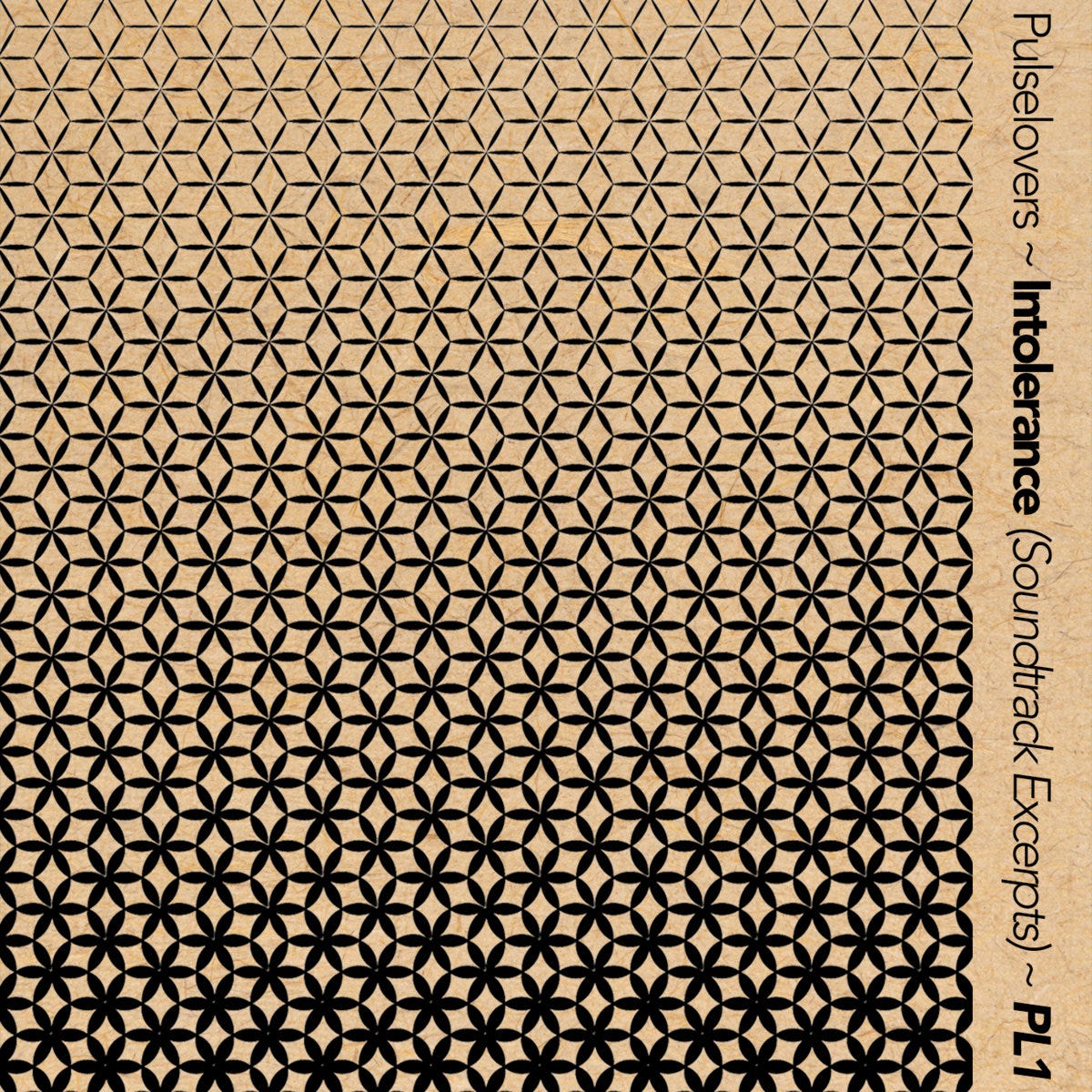
PULSELOVERS ‘Intolerance’ (Woodford Halse)
While we’re talking returns and reunions, here’s some outgoing business. Mat Handley’s Woodford Halse label is on one last lap around the block before winding up at the end of the year. Which is a shame. It’s a genuinely great label that has brought us all manner of very fine music over the years. The upside is, without a label to run, Mat can spend more time on his own musical project, Pulselovers, who there is much to love about, not least that it comes steeped in influence that orbit 1970s Germany and 1980s Sheffield synthlore.
‘Intolerance’ is a collection of tracks whose origin find us back in 2016 when Mat performed a four-hour live soundtrack to the 1916 silent film ‘Intolerance’. Mat’s notes about the project on his Bandcamp page are most entertaining. He realises the folly of the endeavour and embraces it. “The screening went well, but was poorly attended,” he writes, “which wasn’t really a surprise. Mexborough is an old mining town halfway between Doncaster and Rotherham and on a wet Thursday November night, it was never going to be the gig of the year.”
Some 10 years down the line he has dusted it off and turned in a piece of work that really stands up. He talks about how, looking back he would probably have involved more people, he would have tried to get away from the laptop and, he says, he would probably have looked for a film that was considerably less than four hours.
To mark the happy occasion, Mat offers up a cassette release with an hour’s worth of remastered soundtrack and new (very nice) artwork. It’s 16 tracks so nowhere near the four hours of the original. Probably thankfully, but then again this is cracking stuff. There are some real epics here, I especially like the languid moocher ‘Soundtrack V’ which stretches itself out over a very enjoyable 10 minutes.
At the other end of the spectrum there’s something like the one minute and 23 second sketch of ‘Brown Eyes’ that wears its Kraftwerk-y influence on it sleeve. Blink and you miss it though. I have to say I’ve really been enjoying the longer cuts. There is a track called ‘Flatlands’, which clocks in a little shy of 15 minutes which is great. Feels quite Berlin-y School/Tangs to me. That locked down beat is great and the synthlines weaving in and around it are very cool.
The cassette comes as two continuous mixes, both 33.21, which is pure Mat. He thinks we won’t notice these things. We do. We will miss his labels when they’re gone. Thank goodness he’ll still be around with Pulselovers though. We need people like Mat in our lives.


***ADVERTISE HERE***
email moonbuildingmag@gmail.com
THE ROUND UP’S ROUND UP


Yet another release on Paul Dodd’s Waxing Crescent label to get excited about. Brapscallion’s ‘Alchemy’ comes with some nice notes. “A blend of lo-fi house and dusty hip-hop… disco grooves, sequenced arpeggios and bass funk sit alongside talkbox textures, organ tones and sci-fi synth details”. Yup. It’s rather lovely. Think Steve Cobby/Fila Brazillia.
Again, and this does seem to be the case with several Waxing Crescent releases, but it’s mastered by Stephen Buckley, Polypores himself. He is a man I trust implicitly. If Buckers is involved, that is a seal of approval right there. The notes talk about Brapscallion being a multi-institutionalist. There’s some great work here, the bassline on ‘God Damn’ is sooooo good, you hope that’s someone playing it for real. The track itself is great. There’s some lovely drum programming/sounds here too. The rattling kit on ‘Jazzy PR1 _06’ is great, feels really loose.
You can’t help feel this album has come a month or two early. It feels very summery, you know, windows open not because you want to, because you have to, the feint hum of a fan, the haze of hot afternoons. I am looking forward to spinning this on one of those days.
There is so much good music around today. As the title of Darren Riley’s ‘Library Music’ (WIAIWYA) suggests, here we’re drawing on 70s library music. The label talk about comparisons to the library greats like Alan Hawkshaw, Ronnie Hazelhurst and Keith Mansfield and yes, you can hear where they’re coming from. There’s a track called ‘Back Alley Chase’ that starts out sounding like a 70s version of the ‘Countdown’ theme. Very good. Again, this is summer music. There’s some sterling guitar work in ‘Three Kings’, which is a kind of jazz funk version of the Xmas carol, rather brilliantly (with a huge sustain/fade at the end). This is seriously accomplished stuff. It sounds fantastic. ‘The Slow Setup’ runs with some very funky bass playing, while ‘Explodes!!!’ comes straight out of ‘The Sweeney’. You always imagine those library music sessions being packed to the gills with incredibly talented players earning a quick buck in downtime from being “serious” artists. Darren happens to be a skilled artist artist too. Check him out here. There is some talent on show that’s for sure.
Keeping on a funky tip, but techno-leaning this time comes G-Man, Gez Varley who was one half of Sheffield bleep pioneers LFO, who serves up ‘Moonbase Alpha’ on a new imprint Circuitry Electronic. In a bit of smoke and mirrors, this is his first vinyl outing since ‘Avanti’ in 2002, which is a fair while ago. Not that he’s been idle during that time. This album has actually been around since late 2024, but never on vinyl before, which is how this sort of work should be listened to. The black vinyl glinting as the groove locks down. I love love LOVE ‘Fidus Tempus’, the groove is dynamite and it has the kind of swell that would’ve ripped up dancefloors back in the day. There’s a lovely bleep riff too. I love that guys like Gez, people like Future Sound Of London and Autechre are still mixing it up. There’s a new Speedy J album on the way soon too. Anyway, on the strength of this, here’s a label that needs a close eye keeping on it.
While I’m at it, it would be rude not to mention Planet Mu’s 10th anniversary nod to Venetian Snares’ ‘Traditional Synthesizer Music’. How can it be 10 years? This triple vinyl edition adds 10 tracks/alternate versions that were only previously available on a very limited Bandcamp-only CD. Looking at how the whole modular thing has exploded over the last decade, Aaron Funk was something of a frontrunner. The record found him performing live, each track was “approached from the ground up and dismantled upon the completion of its recording”. There would be multiple takes of each set up resulting in “vastly different versions of each piece”. There were of course no overdubs or edits. A total classic.
One more for you and we can all get on with scoffing some eggs. I noticed that Enofa has made her new album available for free on Bandcamp. Bristol-based Imogen Hayley Baker says, “I’ve been shipping it round to labels for the past 18 months and nobody’s bitten. it’s my favourite thing I’ve ever made.” Which is big talk as she has made some good stuff over the years. Her Subexotic-released ‘The House By The Sea’ made our Albums Of The Year list in 2024. So you know, she’s non too shabby. This one is called, deep breath, ‘Like When My Childhood Friend Suggested Putting A Chip On The Wall To Scare Babies’ and she describes it as “weird trance-inspired tracks”. I’m a big fan of the choppy-chorded nu-rave work she’s turning in here. The opener is a proper slow burn, in fact you think it’s never going to resolve, it builds and builds over the first three minutes until a beat kicks in and it’s another minute before any kind of drop. The title track (I’m not typing it out again) is cool, very trance, a swirling melody topped off with AutoTune vocals. And wait until the groove kicks in proper on ‘Cone Is Creepy’. Phew. It’s all like this – teasing intros, big rave chops, drops, shifting time signatures, weirded out vocals, beats, noisy squalls of sound, hands in the air feel-good tuneage, and of course, it’s all a little off-kilter. It’s what Enofa was made for. Great stuff. “Help a girl out,” she says, “and share this if you get chance. I’d love people to hear it!” You know what to do.
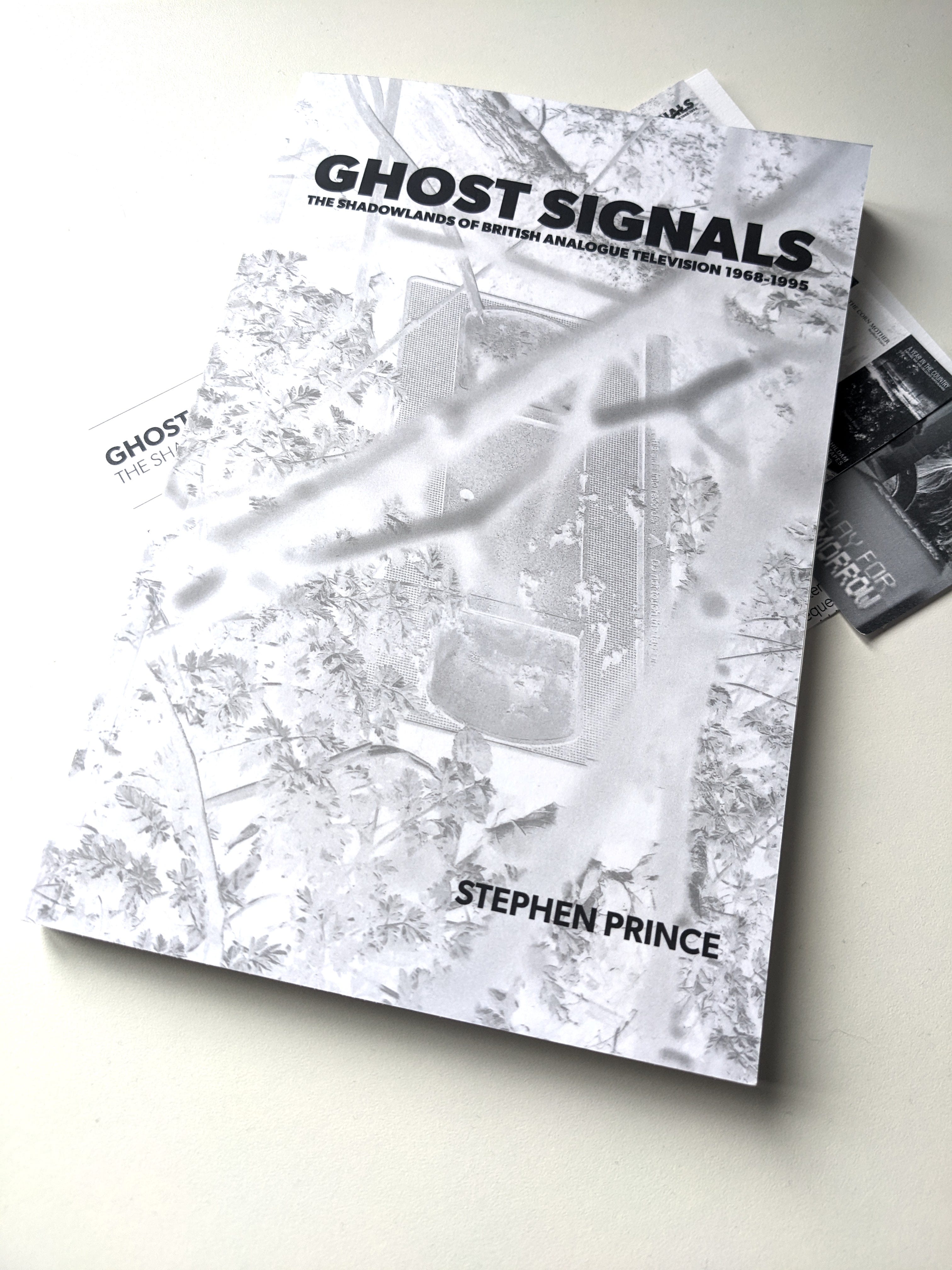
GHOST SIGNALS: THE SHADOWLANDS OF BRITISH ANALOGUE TELEVISION 1968-1995 Stephen Prince (A Year In The Country)
Words: CATHI UNSWORTH
The past is another country, as anyone who grew up during the 1970s knows. A landscape that divided between the bright, post-war housing estate and the tangled lanes of the countryside surrounding them. Here, covens of witches continued to practise pagan rites and the Old Gods were only the touch of a standing stone away. Children – such Diana in 1978’s ‘The Moon Stallion’, or Mair and Peter in 1980’s ‘The Bells of Astercote’ – were the brave innocents able to travel between these worlds and do battle with ancient magical forces. Quite often, the fate of the world lay in their hands as they did so.
Both of these BBC series were adapted from popular novels for children (no such thing as “young adults” back then) by Brian Hayles and Penelope Lively respectively. Beamed into our front rooms just after school or early on a Sunday evening, they prepared British youth for any eventuality that might occur in the week ahead.
One such schoolboy watcher was Stephen Prince, who has been mining the hinterlands of our occult heritage with his A Year In The Country project since 2014, when he relocated from London to the Peak District surrounds of his youth. No doubt aided by the abundance of megaliths, Iron Age hill forts, witch-marked caves and Cold War listening stations in this particularly loaded landscape. His interests combine both the creation and appreciation of lo fi folk and electronic music, literature and sociological history with a thorough sleuthing of our documentary, film and televisual past.
That he has been able to sustain a healthy output of books and CDs in that time is testament to just how fertile this ground is. In ‘Ghost Signals’, Prince gathers some of the most intriguing and disturbing teatime viewing screened between 1968 –“the foundational ‘wyrd’ year of acid folk and iconic folk horror” – and “the dawn of the digital revolution” in 1995.
Suburban pre-teen wizard Matthew, who manifests in ‘The Great Albert’, one of ITV’s 1978 ‘Scorpion Tales’ series, attempts to conjure the Devil from a photostat of one of his book-dealer Dad’s magical grimoires and succeeds in unleashing a series of unfortunate incidents. Whether these are actually driven by Satanic forces is left for the viewer to decide – although as Prince points out, it’s the lover of Matthew’s mother (played by Paul Freeman, later Indiana Jones’ dastardly foe René Belloq in ‘Raiders Of The Lost Ark’) who benefits the most from the ensuing chaos.
There is less ambiguity about teenage witch Jackie, who terrifies her schoolfriends with her psychokinetic powers in 1980’s ‘Jack Be Nimble’, from the BBC’s ‘Leap In The Dark’ strand – although her peers still have the requisite knowledge of how to “cut her above her breath” and stop Jackie from making spells. From this auspicious beginning, Lisa Vanderpump, who played Jackie, would go on to cast a different kind of glamour in 2010’s ‘Real Housewives of Beverley Hills’.
Hindsight gives Prince and his readers the opportunity to see how the existential threats of the pre-digital age have manifested over the past half century. Time capsule series such as ‘Tales Of Unease’ from 1970 capture the dark swing away from hippy visions of Arcadian Albion and into the clutches of Corporate Capitalism, with significant episodes relating to the doomed coal-mining industry and the rise of computerised office systems and the evil executives who run them.
Like the aforementioned ‘The Bells Of Astercote’, the 1974 Play For Today, ‘The Lonely Man’s Lover’ explores the town/country divide that is the lifeblood of folk horror and foresees the encroaching gentrification of picturesque rural areas that have since seen agricultural communities of the like portrayed here priced off their land by rich second-home owners.
The fracturing of old communities and rising distrust of those in authority plays out in 1977’s Play For Today ‘Stronger Than The Sun’ and Channel 4’s ‘A Pattern Of Roses’ from 1983, precursors to what Prince calls the “Secret State Subterfuge” of Troy Kennedy Martin’s mid 80s masterpiece ‘Edge Of Darkness’. As the 70s recede, taking folk music with them, electronic and synthesiser-based soundtracks bleep in the new machine age. Now these two contrasting representations of country and urban have merged to form a contemporary soundtrack of popular hauntology.
All Prince’s choices have been deliberately selected because of none are currently available for streaming – though searching You Tube, The Internet Archive and The Daily Motion should yield a suitably grainy, much-copied VHS facsimile of the original broadcasts. Which, the author hopes, will enhance just how uncanny the feeling of what passed for normal in those days feels like now.
And hence, why we keep on looking back.
For more A Year In The Country and to buy ‘Ghost Signals’, visit ayearinthecountry.co.uk
For more Cathi Unsworth, head for cathiunsworth.co.uk
MOONBUILDING ISSUE 6 … SOLD OUT

Holy cow. MOONBUILDING Issue 6 is completely sold out, so it isn’t available from moonbuilding.bandcamp.com Sure someone is trying to cash in via Discogs.
Let’s look at what you missed, although it is still available digitally of course. Our cover star, illustrated by the peerless Nick Taylor, is the unstoppable force that is LOULA YORKE. In our bumper interview we talk about how she got here and where she’s going. As usual, it is an in-depth piece that lifts the lid on the brilliant mind behind the excellent music.
We meet Loula at her home in Suffolk where we have a proper rummage around in her world, musically, humanly, psychologically, probably even a bit metaphysically. It is a cracking read and opens the doors on what makes this most remarkable artist tick.
As always the issue comes with an accompanying CD. This one is a Loula Yorke collection called ‘How Did We Get Here’, which is compiled by artist herself and charts her rise and rise. The resulting 11-tracker will take you on a journey through her career to this point and it is utterly, totally, absolutely, exclusive to Moonbuilding.
Elsewhere, there’s a great chat with Clay Pipe Music supremo Frances Castle as we profile her wonderful label, A’Bear gets in on the There’s A First Time For Everything act, we round up an absolute mountain of recent releases and serve up our thoughts on the best albums from the last few months, which feature Loula Yorke, Warrington-Runcorn New Town Development Plan’s Gordon Chapman-Fox, Cate Brooks, 30 Door Key and Sarno Ultra.
We talk to ‘This Is Memorial Device’ author David Keenan about ‘Volcanic Tongue’, his debut collection of music writing. He is one of the last generation of music writers who could actually call themselves journalists. He talks a lot of sense and his work is a shining example of what music writing should be. It’s an unmissable interview.
Elsewhere, we round up an absolute mountain of recent releases and point you in the right direction of some mighty fine independent magazines and books. The Orb’s Alex Paterson tells us about his ‘Top Of The Pops’ experience when he appeared on the legendary show performing ‘Blue Room’ in 1993. I say performing… There’s a new Captain Star cartoon strip from the brilliant Steven Appleby. I constantly have to pinch myself that this strip, that I first read in the NME in the early 1980s, is now in my little magazine.
Find us at moonbuilding.bandcamp.com.
Moonbuilding Weekly is a Castles In Space publication.
Copyright © 2026 Moonbuilding
New kid around here. Found y'all on an Instagram post by Pye Corner Audio and I feel like I found one of my homes. Remember when we could rely on sites that at least spoke to a major portion of our tastes? Well, darn-tootin I think I have arrived. Great stuff. Wish I could write for you.
Great stuff, as usual!!